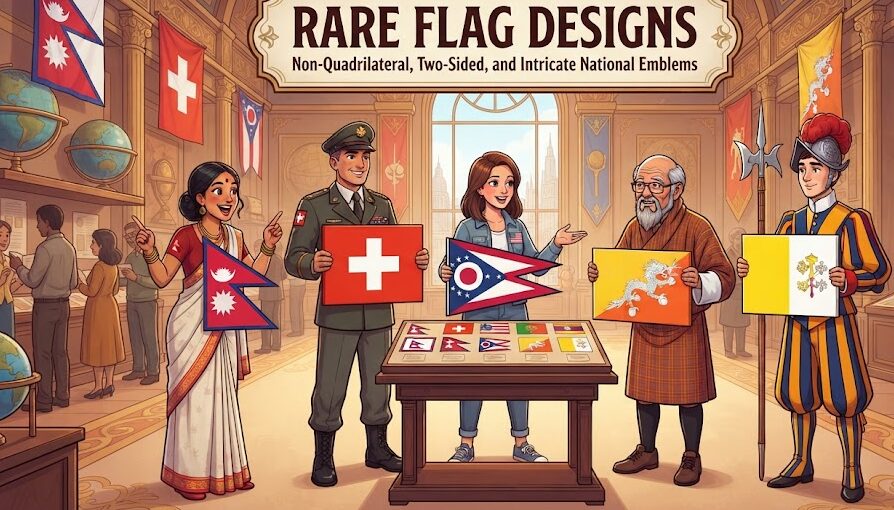
Coat of Arms and National Animals How Fauna and Flora Define Country Identity
Beyond the geometric abstraction of national flags, sovereign nations project their sovereign power, ecological inheritance, and spiritual aspirations through intricate heraldic seals, coats of arms, and official national flora and fauna. Throughout human civilization, societies have selected apex predators, resilient trees, mythical beasts, and endemic botanical treasures to serve as biological ambassadors of the state. … Read more
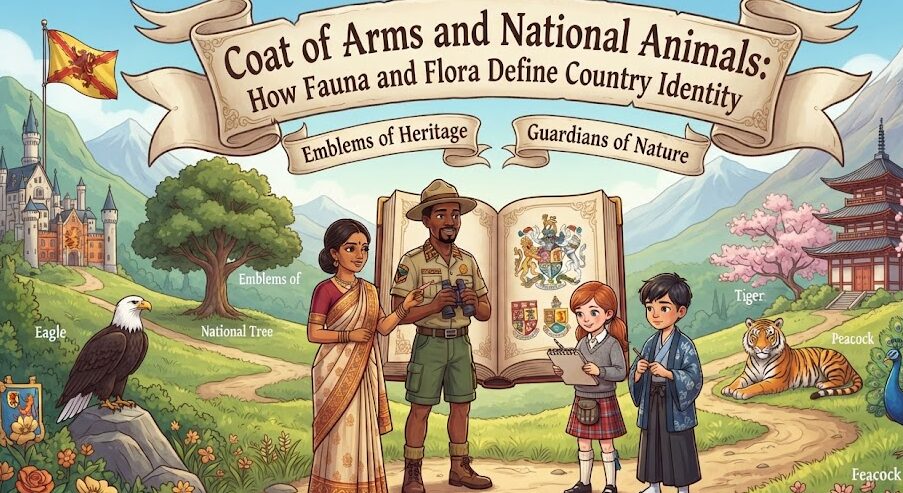
The Evolution of National Flags Vexillology, Color Symbolism, and Heraldry

National flags are the most universally recognized emblems of human sovereignty, collective identity, and political ideology on Earth. From sovereign embassies in Geneva to maritime cargo ships plying international shipping lanes, these pieces of colored fabric encapsulate centuries of revolutionary struggles, territorial agreements, cultural narratives, and heraldic traditions. The formal scholarly discipline dedicated to the … Read more

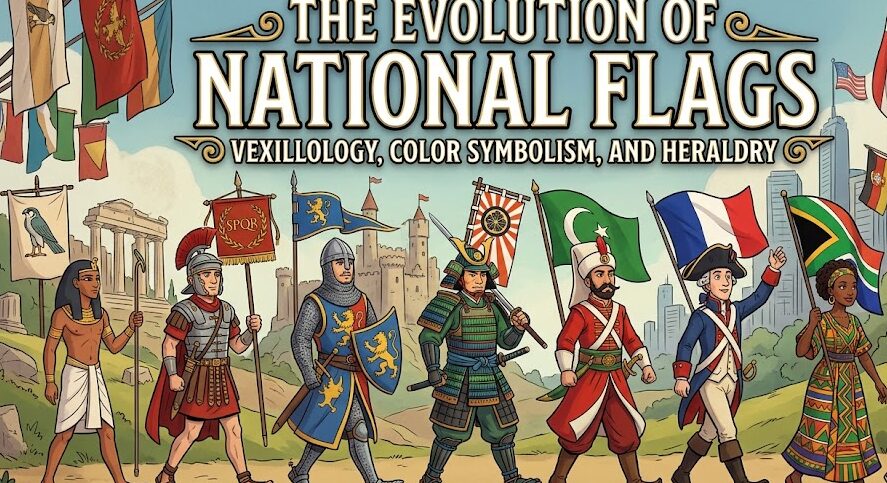
The Union Jack and the Canton Flags of the Commonwealth

The Union Flag—popularly and colloquially known worldwide as the Union Jack—is arguably the most historically influential, geometrically intricate, and globally replicated national banner in modern history. Serving as the sovereign flag of the United Kingdom of Great Britain and Northern Ireland, it represents the physical heraldic amalgamation of three distinct patron saint crosses. Beyond the … Read more

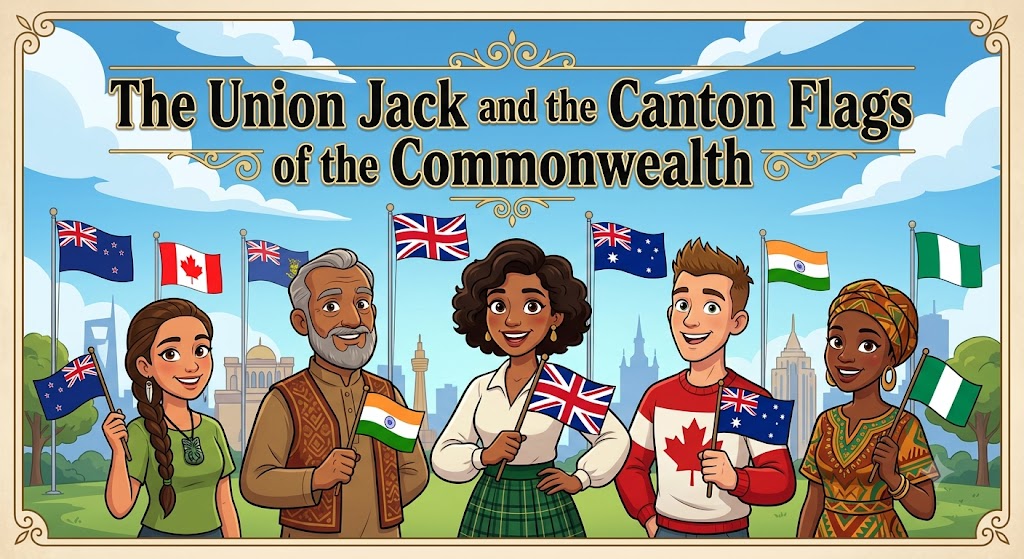
Rare Flag Designs Non-Quadrilateral, Two-Sided, and Intricate National Emblems

Of the 195 sovereign member states recognized by the United Nations, 190 adhere strictly to a standard rectangular geometry. Rectangles offer optimal industrial efficiency: they are easy to mass-produce, fold, store, and fly cleanly from standard vertical flagpoles. However, the world of sovereign vexillology contains extraordinary geometric outliers, ancient theological exceptions, and complex optical designs … Read more