Brazil and the Amazon Basin Geography, Biodiversity, and Regional Centers
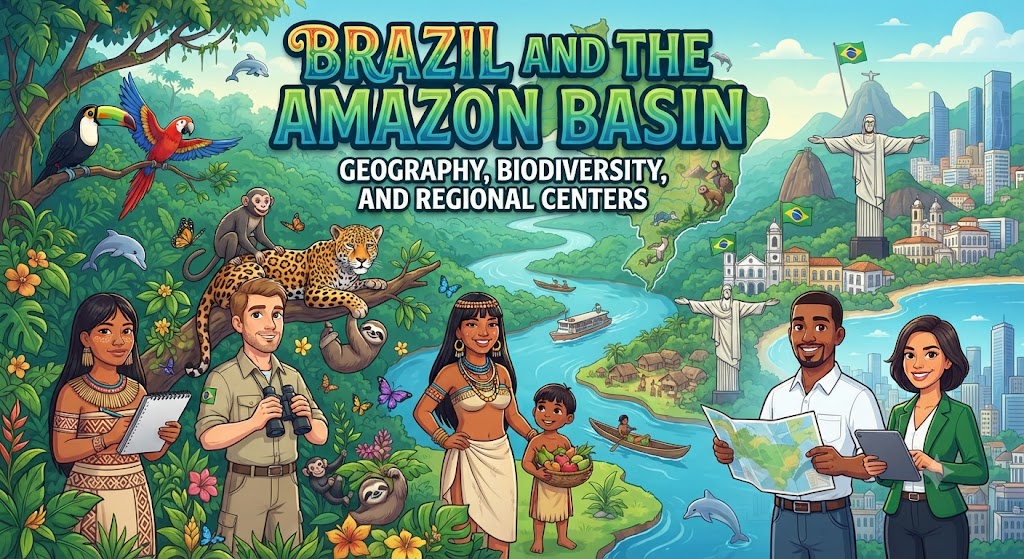
Dominating nearly half of the South American continent, the Federative Republic of Brazil is a colossal geographic entity. Spanning 8,515,767 square kilometers across three time zones, Brazil is the world’s fifth-largest nation by both total area and population. It shares terrestrial borders with every South American country except Chile and Ecuador. From the dense, equatorial … Read more
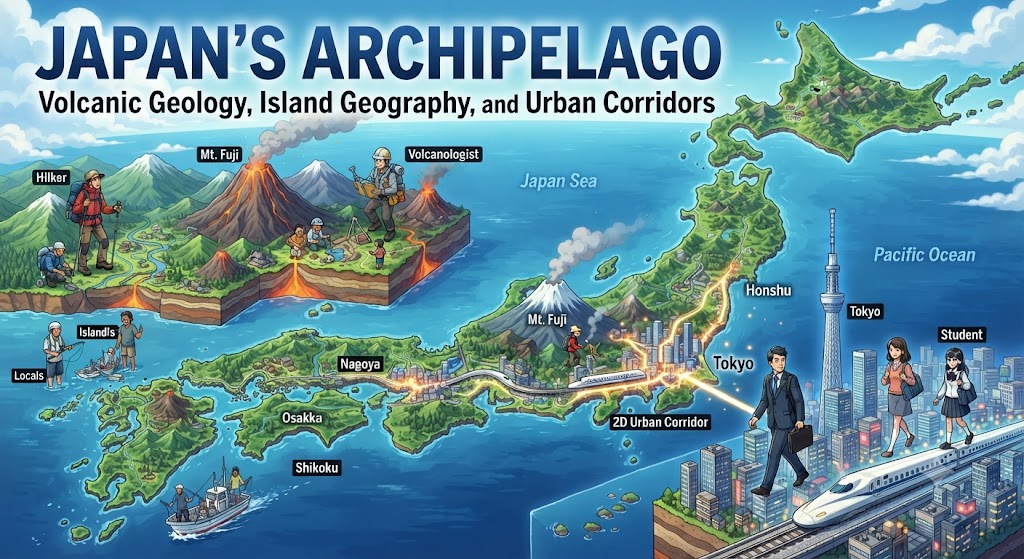
Japan’s Archipelago Volcanic Geology, Island Geography, and Urban Corridors

Stretching in a sweeping crescent along the eastern rim of the Asian landmass, the Japanese archipelago (Nihon Rettō) represents one of the world’s most physically dynamic, geologically volatile, and densely engineered nations. Comprising 6,852 islands extending over 3,000 kilometers from the subarctic waters of the Sea of Okhotsk to the subtropical reaches of the East … Read more

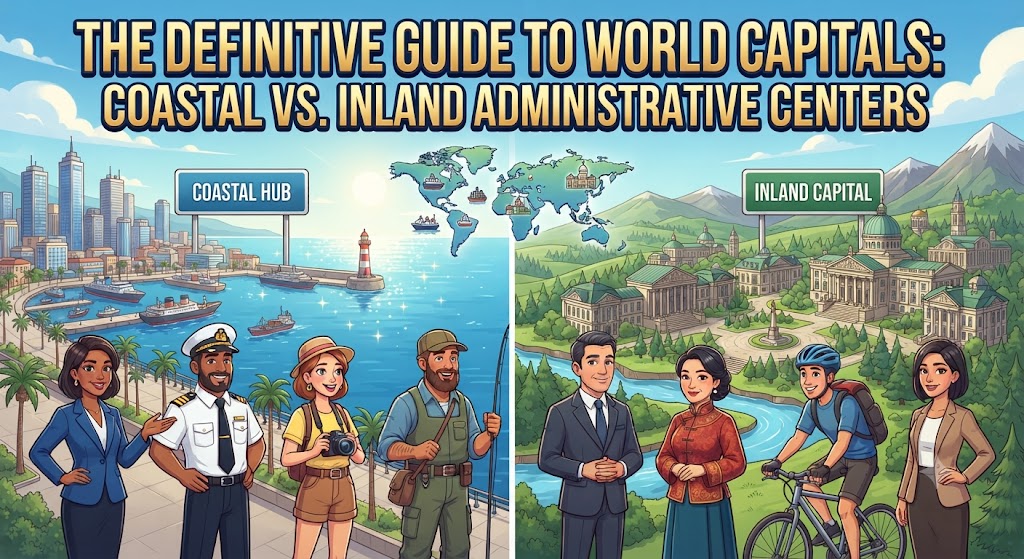
The Definitive Guide to World Capitals: Coastal vs. Inland Administrative Centers

National capital cities stand as the political, administrative, and symbolic epicenters of sovereign nations. Across the globe, the geographical positioning of a capital city is rarely an accident of history. Rather, it represents a calculated intersection of geopolitical defense, commercial viability, ethnic compromise, and territorial integration. One of the most fascinating spatial divisions in human … Read more

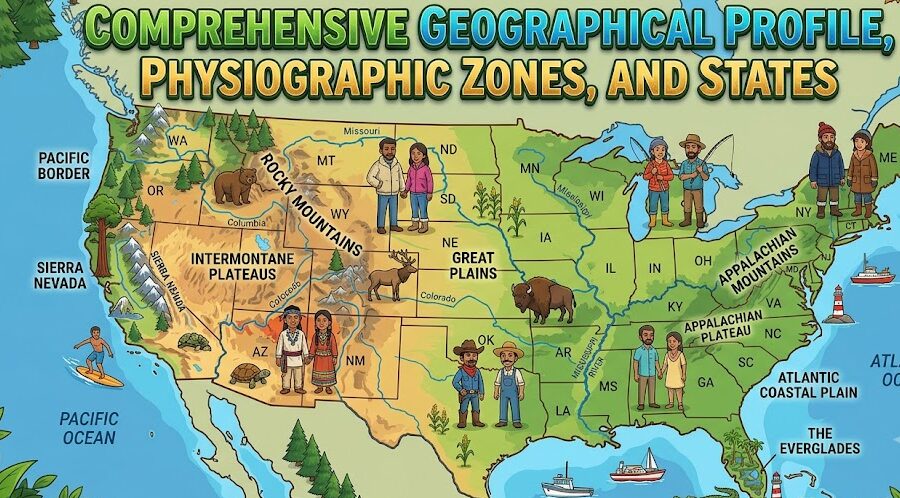
Comprehensive Geographical Profile, Physiographic Zones, and States

Occupying the vast majority of the South Asian subcontinent, the Republic of India is one of the most physically, ecologically, and climatically diverse nations on the planet. Extending from the icy towering summits of the Greater Himalayas in the north to the sun-drenched tropical maritime shores of Cape Comorin in the south, India encompasses an … Read more